Edible Blooms for a More Thoughtful Cake
@vaseguide99
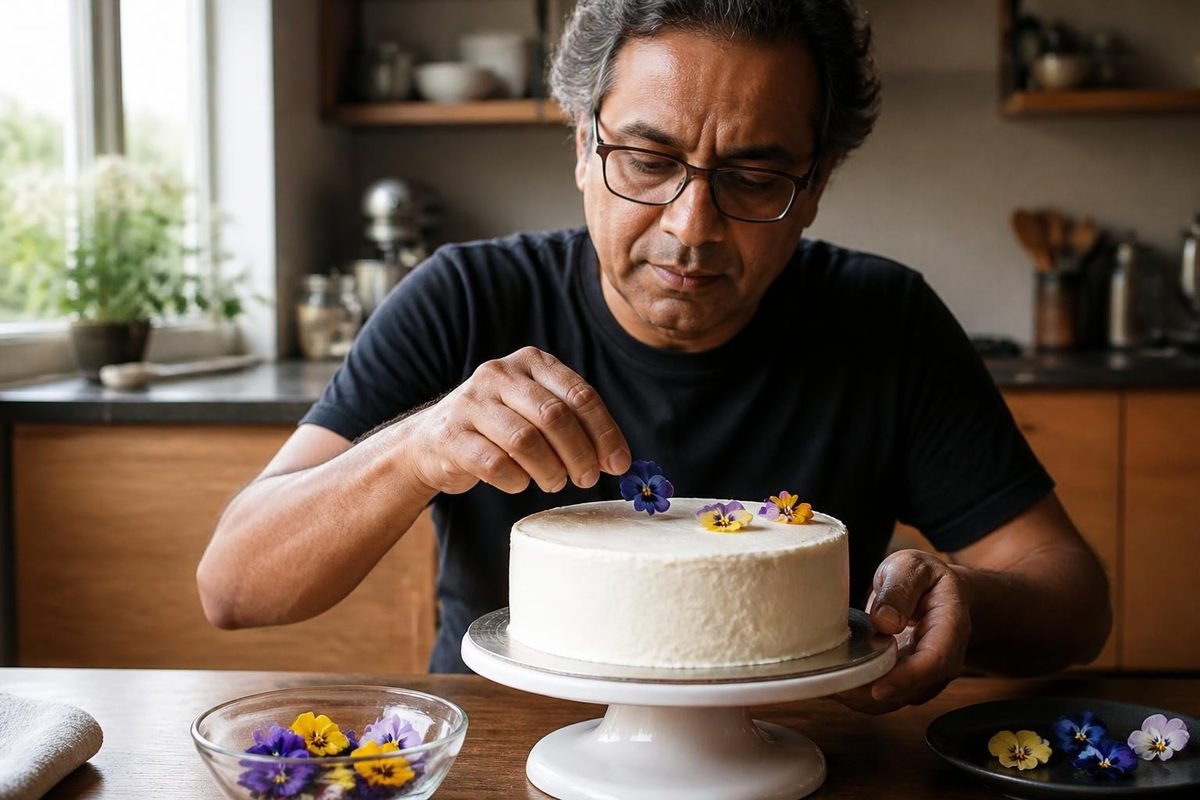
Pansies, violas, calendula, nasturtiums, roses and culinary lavender can decorate a birthday cake, provided the flowers are grown for eating. To keep the choice practical and considered, use blooms you can identify, choose local and seasonal ones where possible, and take only the amount you need.
Choose blooms for colour and flavour
Edible flowers offer colour and shape without plastic cake toppers. Their flavours differ, so match them to the cake and use each kind with care rather than assuming every flower will taste mild.
- Pansies and violas: These little flowers have a mild flavour and sit well scattered across pale icing. Their small size makes them useful when you want a light touch of colour rather than a dense covering.
- Calendula: Yellow and orange petals give a cake a bright finish. Pull the petals away from the flower head and scatter them over the top.
- Nasturtiums: Their peppery taste can provide contrast with a cake that is not too sweet, or with cream cheese frosting. Use them with the flavour in mind.
- Roses: Fragrant edible petals pair well with vanilla, lemon and berry cakes. Before serving, remove the bitter white base from each petal.
- Lavender: Use culinary lavender, and start with just a few small florets. Its flavour is strong, so a small amount can be enough; there is no need to cover the cake with it.
Check that flowers are safe to eat
Some flowers are not edible, and familiar looking blooms can be confused with other plants. Use a flower only if you are certain what it is and know it is edible. Choose flowers sold for eating, or grow your own from plants whose treatment history you know.
Do not use flowers from a florist, garden centre or roadside. They may have been treated with products that are not meant for food, or exposed to pollution. Appearance is not proof that a flower is safe, even if it looks right beside the birthday candles.
Some guests may have allergies or sensitivities to flowers. Tell people what you have put on the cake. If someone is unsure, consider setting aside a portion without decoration.
Keep the choices lower waste
Flowers grown nearby and in season may need less transport than blooms brought from farther away. If you have a suitable garden or a sunny spot for a pot, growing edible flowers can provide a small supply without extra packaging.
Ask a local grower how the flowers are cultivated and whether they are intended for eating. Plan the design around a small quantity. A few petals placed with care can decorate the cake without leaving a thick layer of flowers on guests’ plates.
Wash, prepare and arrange
Rinse the flowers gently in cool water, then leave them to dry on a clean towel. Remove stems and any parts you do not intend to serve. Check each flower before using it: an edible plant does not necessarily have edible parts throughout.
Keep the prepared blooms cool and put them on the cake shortly before serving to help them stay fresh. Set them on the frosting or beside fruit, and leave room for candles and for cutting and serving slices.
Keep the design simple, use only what you need, and compost any suitable leftovers after serving.
Keep reading: remote gift ideas